

The questions we ask young children can shape the way they think, communicate and understand the world around them.
Preschoolers are naturally curious. They explore, experiment and constantly ask “why?” as they make sense of new experiences. By asking thoughtful, open-ended questions, parents and educators can encourage children to explain their ideas, solve problems, imagine possibilities and develop confidence in their own thinking.
The best questions for preschoolers don’t have one correct answer. Instead, they invite children to wonder, predict, reflect and share their unique perspectives.
Whether you’re talking during breakfast, driving to preschool, reading a story together or playing at home, everyday conversations are powerful opportunities to support early learning.
In this guide, you’ll discover 15 questions to ask your preschooler that encourage critical thinking, creativity, emotional intelligence and a lifelong love of learning.

Why Asking Questions Helps Preschoolers Learn
Early childhood learning is built around curiosity, exploration and meaningful interactions.
Rather than simply teaching children facts, thoughtful questions help them learn how to think.
Why Open-Ended Questions Matter
Open-ended questions are questions that encourage children to give more than a one-word answer.
For example:
Closed question:
“Did you have fun today?”
Open-ended question:
“What was the most interesting thing you did today?”
The first question may receive a quick “yes” or “no.” The second encourages your child to remember, describe and reflect.
In early childhood education, learning happens through relationships, play and communication. Conversations with responsive adults help children build confidence, develop language and make connections between their experiences and the world around them.
The goal is not to test your child’s knowledge. The goal is to encourage curiosity and help them feel confident sharing their ideas.
Parent Tip: There is no “perfect” answer.
When your child gives an unexpected answer, try responding with curiosity:
“That’s interesting. Tell me more.”
“What makes you think that?”
“How did you come up with that idea?”
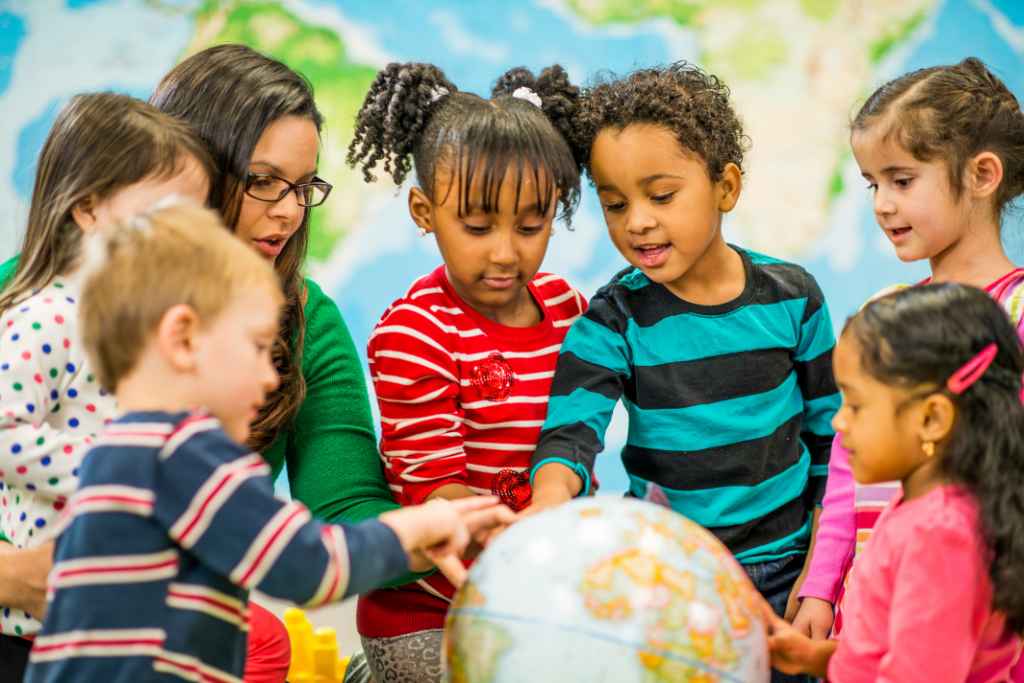
15 Questions to Ask Your Preschooler
Building Critical Thinking and Problem-Solving Skills
These questions encourage children to analyse situations, consider options and explain their reasoning.
1. What do you think will happen next?
Why it matters:
This question encourages prediction skills. Children learn to use observations and previous experiences to make guesses about what might happen.
Try asking next:
“Why do you think that will happen?”
Great for: Reading books, watching nature, cooking or experimenting.
2. How could we solve this problem?
Why it matters:
Problem-solving questions teach children that challenges can have more than one solution.
Try asking next:
“What else could we try?”
Great for: Building blocks, puzzles, getting dressed or everyday challenges.
3. Why do you think that happened?
Why it matters:
Asking “why” encourages children to explain their thinking rather than simply give an answer.
Try asking next:
“What makes you think that?”
4. What would you do differently next time?
Why it matters:
This helps children reflect on experiences and develop resilience.
Try asking next:
“What did you learn from trying that?”
Theme 2: Encouraging Creativity and Imagination
Creative thinking helps children explore possibilities and approach problems in flexible ways.
5. If you could invent something, what would you make?
Why it matters:
This encourages imagination, planning and innovative thinking.
Try asking next:
“What would your invention do?”
6. What could this become?
Why it matters:
A simple object can become anything in a child’s imagination. This question encourages flexible thinking.
For example:
A cardboard box could become:
-
a spaceship
-
a house
-
a robot
-
a shop
Great for: Art, craft and pretend play.
7. What would happen if...?
Why it matters:
“What if” questions encourage children to explore possibilities without worrying about being right or wrong.
Examples:
-
What would happen if animals could talk?
-
What would happen if we lived underwater?
-
What would happen if trees could walk?
Theme 3: Supporting Emotional Intelligence
Helping children talk about feelings builds self-awareness, empathy and stronger relationships.
8. How do you think they felt?
Why it matters:
This encourages children to consider another person’s perspective.
Great for: Stories, friendships and everyday situations.
Try asking next:
“What could we do to help them?”
9. What makes you feel proud?
Why it matters:
This helps children recognise their achievements and build confidence.
Children learn that effort, kindness and persistence are things to celebrate.
10. What helps you when something feels difficult?
Why it matters:
This encourages children to identify strategies that help them manage challenges.
Answers might include:
-
asking for help
-
having a break
-
trying again
-
talking about feelings
Theme 4: Developing Curiosity and Observation
Curiosity drives learning. These questions encourage children to notice details and ask their own questions.
11. What do you notice?
Why it matters:
This simple question helps children slow down, observe and describe what they see.
Great for:
-
nature walks
-
artwork
-
books
-
new environments
12. What are you curious about?
Why it matters:
This encourages children to become active learners who explore their own interests.
Theme 5: Building Reflection and Communication Skills
These questions help children organise thoughts, communicate ideas and reflect on experiences.
13. What was the best part of your day?
Why it matters:
This encourages storytelling and helps children practise recalling experiences.
Try asking next:
“What made it special?”
14. Can you teach me how you did that?
Why it matters:
When children explain a process, they practise language, sequencing and confidence.
This also sends an important message:
“Your ideas are valuable, and you have knowledge worth sharing.”
15. What question would you like to ask me?
Why it matters:
Children learn through asking questions. This encourages curiosity and shows that wondering is an important part of learning.
Tip: Follow your child’s interests
The best conversations often happen when children are already engaged. If your child loves dinosaurs, insects, construction or drawing, use those interests as opportunities to ask deeper questions.
Frequently Asked Questions
What are the best questions to ask a preschooler?
The best questions are open-ended questions that encourage children to explain their ideas, share experiences and think creatively. Questions beginning with “why,” “how,” “what do you think” and “what would happen if” are particularly effective.
Why are open-ended questions important for preschoolers?
Open-ended questions help children develop language, reasoning, creativity and confidence. They encourage children to think independently rather than simply remember information.
How do questions help with school readiness?
Conversation helps children develop many skills needed for school, including communication, listening, problem-solving, emotional awareness and confidence participating in discussions.
What if my preschooler doesn’t answer my questions?
Some children need time to think before responding. Try asking questions during relaxed moments such as play, bedtime or car rides. Avoid turning conversations into tests and allow your child time to respond.
When should parents start asking open-ended questions?
Parents can begin asking simple open-ended questions from toddlerhood. As children grow, questions can become more complex and encourage deeper thinking.
How often should I ask my preschooler these questions?
There is no required number. A few meaningful conversations each day can make a big difference. The goal is connection and curiosity, not completing a checklist.
Conclusion: Small Questions Create Big Learning Opportunities
You don’t need special activities or expensive resources to support your preschooler’s thinking skills.
Some of the most valuable learning happens through everyday conversations.
A simple question like:
“What do you think?”
can encourage your child to explain ideas, solve problems, imagine possibilities and develop confidence.
Choose one or two questions during everyday moments—while reading, playing, walking or sharing a meal—and allow your child’s curiosity to guide the conversation.
Every question is an opportunity to help your child become a confident, creative and capable learner.
