

Mental strength is not something children are simply born with. It is a quality that develops gradually through relationships, experiences, challenges, encouragement and opportunities to discover what they are capable of doing.
For young children, cultivating mental strength does not mean expecting them to be tough, independent or resilient beyond their years. Instead, it means helping them develop the confidence to try, the courage to make mistakes, the ability to manage disappointment and the belief that challenges can be worked through.
One of the most powerful ways to nurture these qualities is surprisingly simple: let children play, move, create and participate.
What does mental strength look like in a child?
A mentally strong child is not a child who never cries, gets frustrated or feels nervous. In fact, emotional strength begins with understanding that difficult feelings are normal.
Mental strength might look like a child who is disappointed about losing a game but is able to try again. It might be a child who feels nervous before performing but takes a breath and walks onto the stage anyway. It could be a child who struggles to learn a new dance move, makes mistakes and keeps practising.
These everyday moments are opportunities for children to develop resilience, self-belief, emotional regulation, perseverance and problem-solving skills.
Rather than removing every obstacle from a child’s path, parents and educators can provide a safe environment in which children learn that obstacles are manageable.
The role of sport in building resilience Sport can be an excellent environment for developing mental strength because it naturally provides children with opportunities to experience both success and failure.
A child may score a goal one week and miss an important shot the next. They might make the team, sit on the bench, win a competition or lose one. Each experience can teach something valuable.
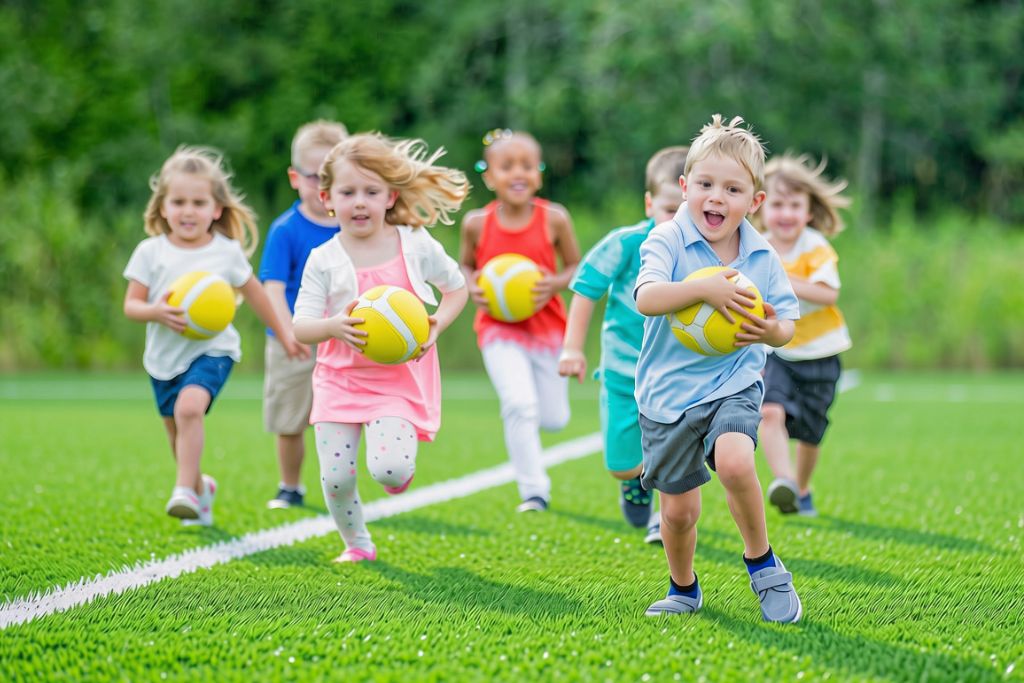
Sport can help children learn:
• how to cope with winning and losing
• how to work towards a goal
• how to practise a skill repeatedly
• how to cooperate with others
• how to respond to mistakes
• how to accept feedback
• how to persevere when something is difficult.
The key is to keep the emphasis on participation, effort and enjoyment rather than performance alone.
If children believe that their value depends on being the fastest, strongest or most talented, sport can become a source of anxiety. When children instead hear messages such as “I love watching you try” or “What did you learn today?”, they begin to understand that growth matters more than perfection.
Dance: confidence through movement and expression
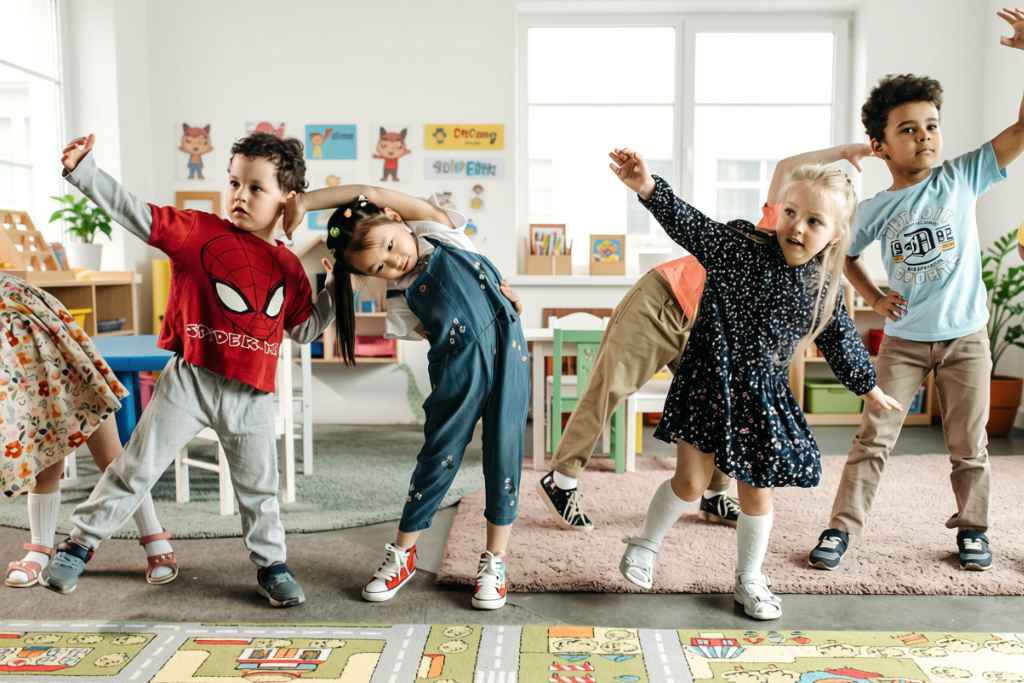
Dance offers many of the same benefits as sport, while also giving children a creative way to express themselves.
Learning choreography requires concentration, memory, coordination and persistence. A child may initially struggle with a sequence but gradually master it through repetition. That experience can reinforce a powerful lesson: I couldn’t do it yet, but I can learn.
Performing can also help children manage nerves and develop confidence. Standing in front of an audience can feel intimidating, particularly for a young child. With encouragement and age-appropriate expectations, performing can become an opportunity to practise courage.
Dance also allows children to experience their bodies as something capable and expressive rather than something that needs to look a particular way. This can contribute to a healthy sense of self and enjoyment of movement.
Dramatic play and the courage to be seen
Play-based dramatic play can be another wonderful tool for developing mental strength.
When children pretend to be different characters, tell stories or perform a short scene, they are practising communication, imagination and emotional expression. They can explore situations from different perspectives and experiment with feelings in a safe environment.
Dramatic play can also help children become more comfortable making mistakes in front of others. Forgetting a line, saying something silly or improvising an unexpected response can become part of the fun.
That experience teaches children that mistakes do not have to be embarrassing disasters. Sometimes they can simply be moments to laugh, adapt and continue.
Play is where many of these skills begin
Perhaps most importantly, children do not need organised activities to develop mental strength.
Unstructured play provides countless opportunities for children to negotiate, solve problems, invent games, take reasonable risks and manage disagreements.
Role-playing a café, setting up a pretend dental clinic, creating a supermarket or inventing a game with friends can require children to make decisions, communicate with one another and deal with unexpected outcomes.
Adults can support this process without solving every problem for them.
Instead of immediately stepping in when children disagree, we might ask, “How could you work this out together?”
Instead of fixing a difficult puzzle, we might say, “What could you try next?”
These small changes communicate an important message: “I believe you are capable.”
Allowing children to experience manageable failure
One of the greatest gifts adults can give children is the opportunity to experience disappointment in a safe and supportive environment.
It can be tempting to make everything easier for children—to intervene when they struggle, ensure everyone receives a prize or prevent them from feeling disappointed. But children need opportunities to discover that uncomfortable feelings can be survived.
A child who loses a game can learn that losing hurts, but the feeling passes.
A child who struggles with a new skill can learn that frustration does not mean they should give up.
A child who makes a mistake during a performance can learn that embarrassment does not last forever.
The adult’s role is not to eliminate these experiences but to provide reassurance while children work through them.
If you’d like, I can also make this warmer and more parent-focused, or give it a slightly more professional/early-childhood-education tone.
Praise the process, not just the result
The language adults use can make a significant difference.
Instead of focusing exclusively on achievement—”You’re so talented!”—we can notice the process:
“You kept practising even when that was difficult.”
“You tried a different way.”
“You were nervous, but you gave it a go.”
“You didn’t get it right yet, but you kept learning.”
This helps children develop a growth-oriented mindset. They begin to see ability as something that can develop through effort, practice, support and experience.
Mental strength grows through connection Ultimately, children are most likely to develop resilience when they feel secure and supported.
Mental strength is not about teaching children to handle everything alone. It is about giving them a secure foundation from which they can gradually become more capable.
A child who knows they can turn to a trusted adult for comfort is often better positioned to explore, take healthy risks and face challenges.
Sport, dance, drama and play can all contribute to this development—but they work best when children feel that participation is enjoyable rather than another measure of their worth.
The goal is not to raise children who never struggle.
The goal is to raise children who understand that struggling is part of learning, mistakes are part of growing, emotions are manageable and challenges can be faced one step at a time.
Whether a child is kicking a football, learning a dance routine, acting out a story or simply building a tower that keeps falling down, these ordinary moments can become extraordinary opportunities for growth.
When adults give children room to try, fail, practise, create, move and try again, they are helping build something that extends far beyond childhood: the confidence to meet life’s challenges with resilience, curiosity and courage.
