

The early years of a child’s life are filled with curiosity, discovery, and rapid development. During this important stage, children learn best when they are actively engaged in experiences that are meaningful, enjoyable, and appropriate for their age. This is why play-based learning is at the heart of quality early childhood education.
At Oz Education Early Learning Centres, we understand that play is much more than just having fun. Play is one of the most powerful ways children develop the skills, knowledge, and confidence they need for future learning and success.
What Is Play-Based Learning?
Play-based learning is an educational approach that allows children to learn through exploration, creativity, problem-solving, and social interaction.
Rather than focusing solely on structured lessons, educators create engaging environments where children can investigate, experiment, imagine, and discover at their own pace. Through carefully planned experiences, children develop essential skills while participating in activities they genuinely enjoy.
Whether children are building with blocks, participating in dramatic play, creating artwork, exploring nature, or working on a group project, valuable learning is taking place.

How Play Supports Child Development
Cognitive Development
Play encourages children to think, investigate, and solve problems. Activities such as puzzles, construction play, and sensory experiences help children develop critical thinking skills and build an understanding of how the world works.
Through play, children learn to:
- Make decisions
- Solve problems independently
- Develop memory and concentration
- Understand early maths and science concepts
- Use creativity and imagination
These skills form the foundation for future academic success.
Social & Emotional Development
One of the greatest benefits of play-based learning is the opportunity it provides for children to interact with others.
When children play together, they learn valuable social skills including:
- Sharing and taking turns
- Cooperation and teamwork
- Communication
- Conflict resolution
- Empathy and respect for others
As children navigate social situations, they also develop emotional resilience, self-confidence, and a stronger sense of belonging.
Language & Communication Skills
Play provides countless opportunities for children to build their language skills.
Whether they are engaging in imaginative play, telling stories, asking questions, or participating in group activities, children are constantly developing their vocabulary and communication abilities.
Strong communication skills support children’s confidence and prepare them for future learning environments, including school.
Physical Development
Active play supports children’s physical growth and development.
Running, climbing, jumping, dancing, and participating in outdoor experiences help children develop:
- Balance and coordination
- Gross motor skills
- Fine motor skills
- Strength and body awareness
Physical activity also promotes healthy lifestyles and overall wellbeing.
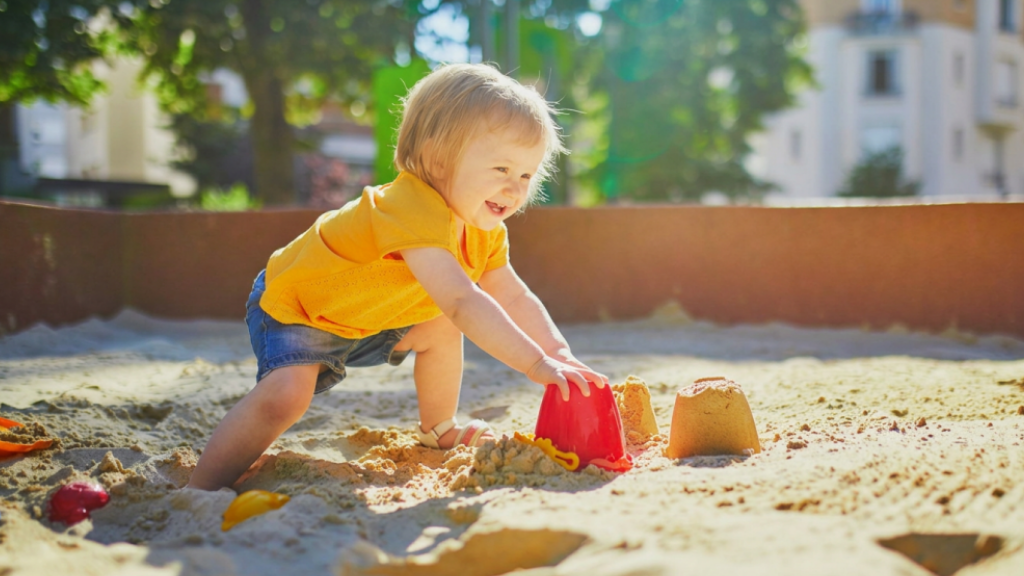
Building Confidence Through Play
Play-based learning gives children the freedom to explore, make choices, and learn through experience.
When children successfully complete a challenge, solve a problem, or achieve a goal, they develop a sense of confidence and accomplishment. These positive experiences help children become independent learners who are willing to take risks and embrace new opportunities.
Confidence developed during the early years often carries through into primary school and beyond.
Preparing Children for School
Many parents are surprised to learn that play-based learning is one of the most effective ways to prepare children for school.
Through play, children naturally develop many of the skills needed for a successful transition to formal schooling, including:
- Listening and following instructions
- Problem-solving
- Communication
- Independence
- Emotional regulation
- Early literacy and numeracy skills
Children who learn through play are often more engaged, confident, and enthusiastic about learning when they begin school.
The Role of Educators in Play-Based Learning
Play-based learning does not mean children are left entirely on their own. Skilled early childhood educators play a crucial role in guiding and extending children’s learning.
Educators carefully observe children’s interests, ask thoughtful questions, introduce new concepts, and create opportunities that encourage deeper thinking and exploration.
At Oz Education Early Learning Centres, our nurturing educators support each child’s unique learning journey by providing enriching experiences that foster curiosity, creativity, and confidence.
Play-Based Learning at Oz Education
At Oz Education Early Learning Centres, play is an essential part of every day. Our programs are designed to inspire children to explore, discover, create, and build meaningful connections with others.
Through engaging indoor and outdoor experiences, educational enrichment programs, and supportive educator relationships, we help children develop the skills they need to thrive both now and in the future.
Play-based learning is far more than child’s play. It is a proven and effective approach that supports children’s cognitive, social, emotional, physical, and language development while fostering a lifelong love of learning.
By providing children with opportunities to learn through play, we empower them to become confident, capable, and curious learners ready for school and beyond.
Enrolments Open: Enquire Now or Call Us On 1300 088 520!
Our friendly team is here to help with any questions you have about programs, enrolments and centre tours. Contact us on 1300 088 520 or submit an enquiry – we’re here to support your family.
